KyushuItineraryOff the beaten path
Things to Do in Kyushu, Off the Beaten Path
M
NOREN
Co-founder · NOREN
2. September 2026
5 Min. Lesezeit
Most first trips to Japan follow the same line: Tokyo, Kyoto, Osaka. Kyushu is the large island to the southwest, and Fukuoka is its gateway — about five hours from Tokyo by shinkansen, or roughly two by air. Close enough to add to a first trip. Far enough that the streets feel different.
Fukuoka is the gateway, not the destination
Fukuoka is a city you can walk. Hakata Station sits in the middle of it, the yatai — open-air food stalls — are set up along the river at dusk, and the bay is a short ride from the centre. Most itineraries give it a day. That is enough to eat well. It is not enough to meet anyone.
An hour north: Munakata and Oshima Island
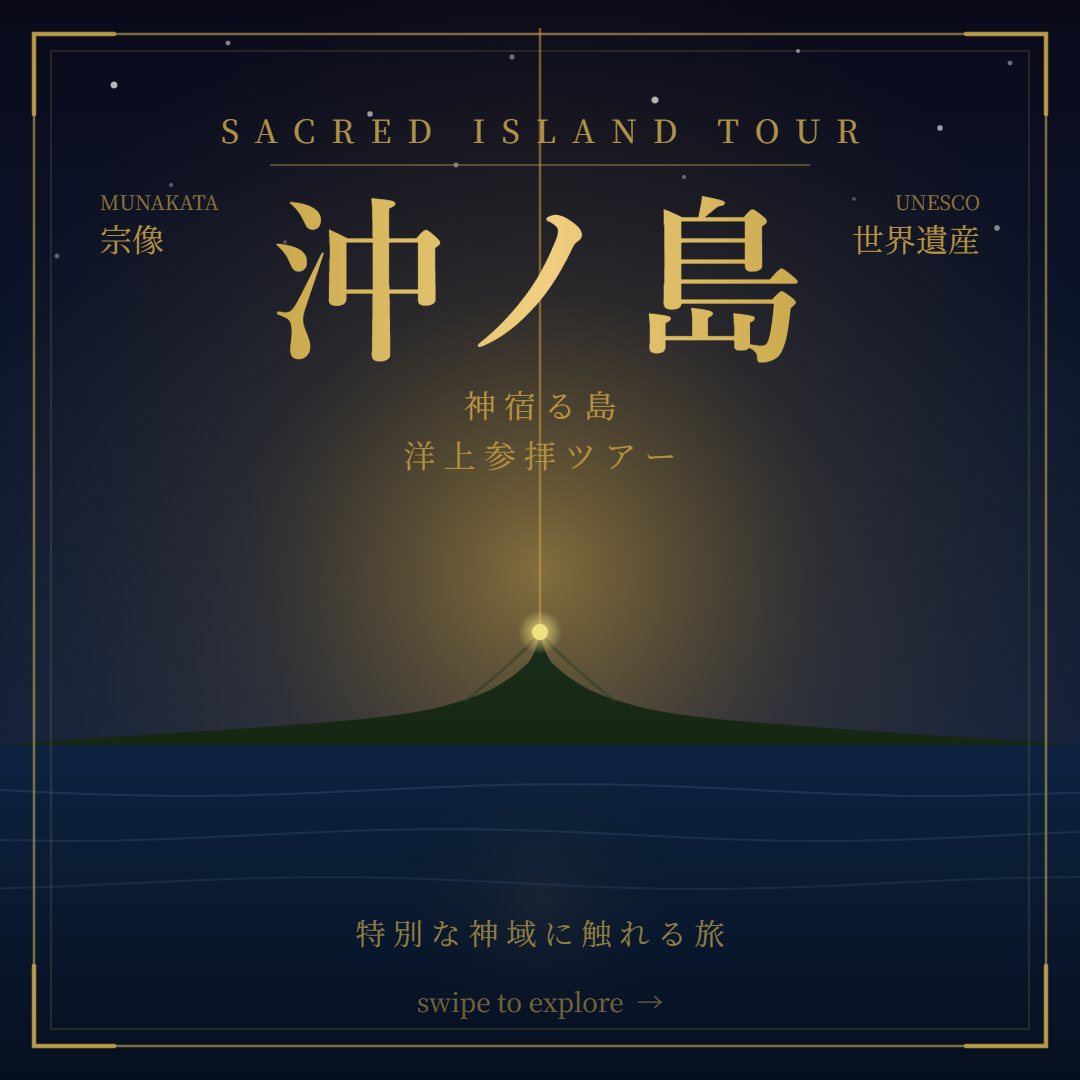
Munakata is a UNESCO World Heritage area about an hour north of the city, and Oshima is the island you reach from it by ferry. Okinoshima, the island the listing is named for, is not open to the public; it is approached from the water. On Oshima the day moves slowly: a shrine, a coastline, salt made from seawater, citrus groves.
Half an hour south: Dazaifu
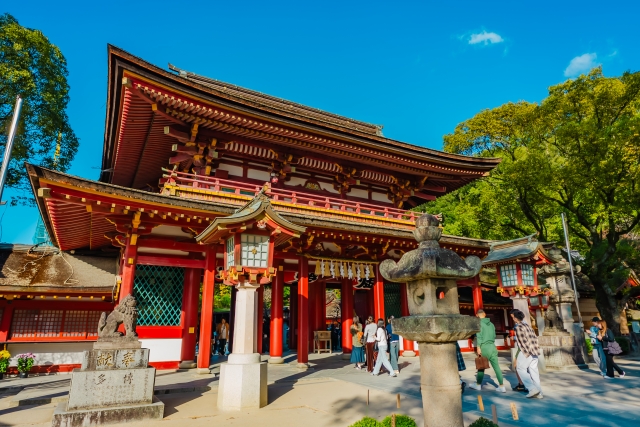
Dazaifu is about thirty minutes from central Fukuoka on the Nishitetsu line. Dazaifu Tenmangu Shrine has stood for some 1,100 years and is dedicated to the deity of learning, and the approach to it is lined with old shops.
How many days does Kyushu need?
- Three days — Fukuoka as a base: the city, Dazaifu, and one evening you did not plan yourself.
Passende Erlebnisse

Experience Fukuoka, for real.
Find handpicked local experiences that no guidebook covers.
Browse experiences →